

A recently disclosed CVE affecting MongoDB has sent shockwaves through the infrastructure and security community. Nicknamed “MongoL” (or “MongoBleed”), the vulnerability allows unauthenticated attackers to leak arbitrary server memory directly from a MongoDB process. The implications are severe: sensitive data from previous database operations may be exposed without credentials, user interaction, or prior access.
This article breaks down the CVE in technical terms, explains why it is being compared to Heartbleed, outlines real-world impact, and gives clear remediation guidance.
Overview of the MongoDB CVE (MongoL / MongoBleed)
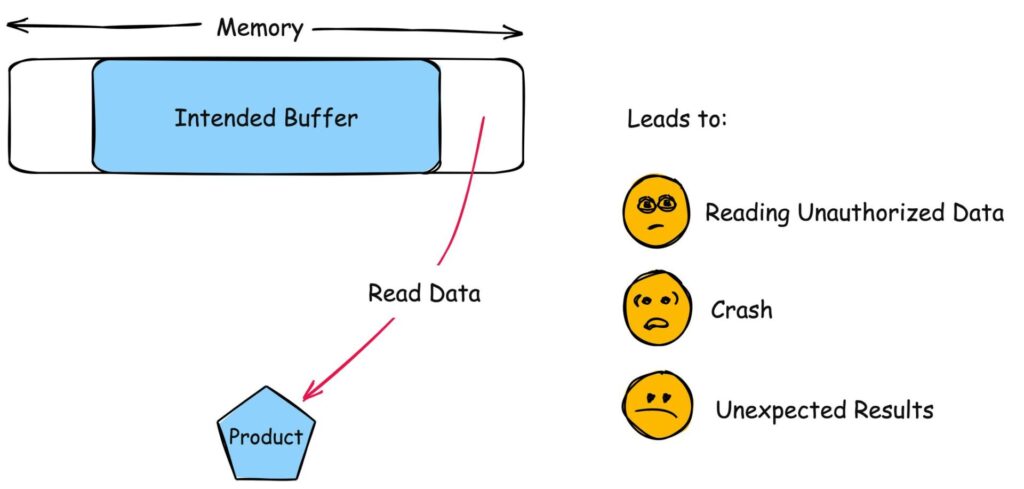
The vulnerability is a pre-authentication memory disclosure bug in MongoDB’s network protocol handling. An attacker can connect to a vulnerable MongoDB instance and extract chunks of uninitialized heap memory from the server process.
Key characteristics:
- No authentication required
- Exploitable over the network
- Leaks arbitrary server memory
- Proof-of-concept exploit released publicly
- Affects self-hosted MongoDB instances that are not patched
Because the attack happens before authentication, firewalls and exposure matter more than user credentials.
Why This Is Being Compared to Heartbleed
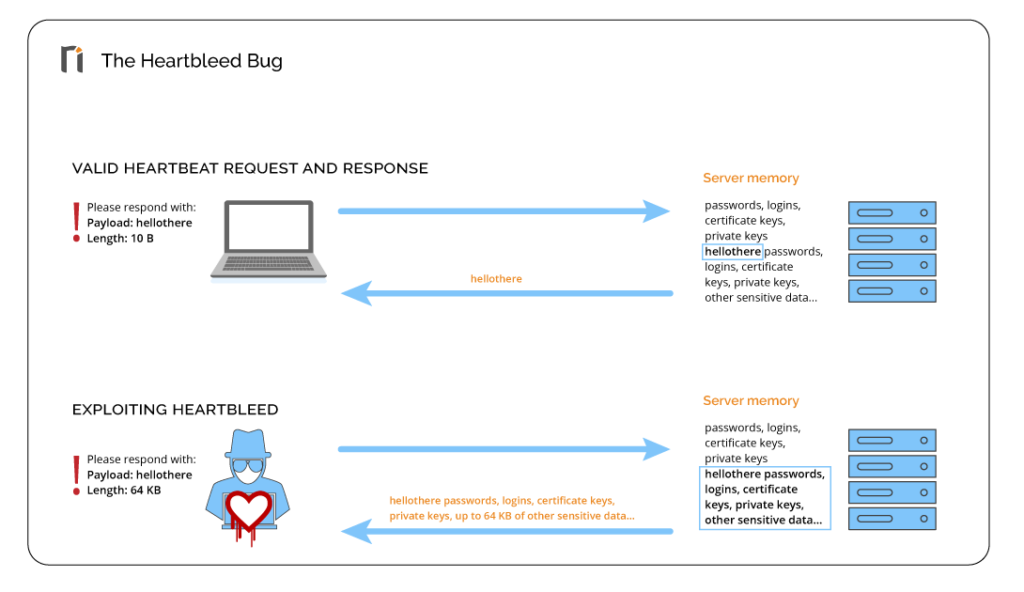
MongoL closely mirrors the infamous 2014 Heartbleed vulnerability in OpenSSL.
The core pattern is the same:
- Client sends a message with a declared size
- Server trusts that size
- Server allocates a buffer based on attacker-controlled length
- Actual payload is smaller
- Remaining buffer space contains previous heap memory
- Server sends it back to the attacker
In Heartbleed, this exposed cryptographic secrets.
In MongoL, it exposes MongoDB process memory.
The exploit is not about bypassing authentication logic — it is about reading memory the attacker should never be able to see.
Technical Root Cause: Zlib Compression and BSON
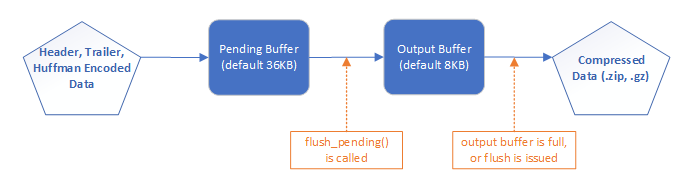
MongoDB communicates using BSON (Binary JSON) over a custom wire protocol. This protocol supports Zlib compression, and critically:
- Compression is allowed before authentication
- The client supplies the claimed uncompressed size
The attack works as follows:
- Attacker sends a Zlib-compressed message
- Inside the message, they control the
uncompressed_sizefield - MongoDB allocates a buffer based on this value
- Zlib decompresses real data (smaller than claimed)
- Remaining buffer space is left uninitialized
- MongoDB treats the message as valid and sends the full buffer back
Because standard malloc behavior in glibc does not zero memory, the response contains data from previous allocations.
Heap Bin Manipulation and Targeted Memory Leakage
The exploit iterates through different buffer sizes (up to ~8192 bytes). This is not random.
In glibc, heap allocations are grouped into bins based on size. By adjusting the claimed decompressed size, an attacker can:
- Target different heap bins
- Increase chances of leaking sensitive structures
- Potentially extract metadata from:
- Previous queries
- Authentication attempts
- Internal tokens
- Application secrets
- Query payloads from other clients
Even though passwords are usually hashed, metadata and transient secrets are often present in memory.
Why This Is a Serious Security Issue
This vulnerability breaks a fundamental security assumption:
MongoDB’s threat model does not assume attackers can read arbitrary server memory.
Even though the leaked memory is “uninitialized,” it can contain:
- User data from other sessions
- Query contents
- API keys
- Internal service credentials
- Source code paths
- Session metadata
On a high-traffic production database, leaked memory would be dense with sensitive information.
Real-World Impact and Exploitation
Shortly after public disclosure, reports surfaced of real-world exploitation. One widely discussed case involved Ubisoft, where attackers allegedly:
- Exploited a vulnerable MongoDB instance
- Pivoted internally
- Accessed internal Git repositories
- Exfiltrated source code
- Triggered cascading breaches affecting live services
While attribution details are still debated, the incident highlights how a single unpatched database can become an entry point for large-scale compromise.
MongoDB Atlas vs Self-Hosted MongoDB
It is important to separate deployment models:
- MongoDB Atlas (managed service):
- Patched before public disclosure
- Not affected if fully managed
- Self-hosted MongoDB:
- Vulnerable if running affected versions
- Especially dangerous if exposed to the internet
This CVE primarily impacts self-managed infrastructure.
Affected Versions and Fix
If you are running any affected MongoDB version, the remediation is straightforward:
- Upgrade to the latest patched MongoDB release
- No schema changes required
- No known backward compatibility issues
- Restart the MongoDB process after upgrade
If you do not update, you are explicitly accepting the risk of unauthenticated memory disclosure.
Could Rust Have Prevented This?
The vulnerability exists because MongoDB’s core is written in C++ and relies on manual memory management.
In a memory-safe language like Rust:
- An out-of-bounds read would cause a panic
- The process would crash instead of leaking memory
That tradeoff is critical:
- C++: service stays alive but leaks secrets
- Rust: service fails fast but protects data
MongoL is another reminder that memory safety is a security boundary, not just a developer convenience.
Action Checklist for Operators
If you maintain MongoDB infrastructure:
- Identify MongoDB versions in use
- Patch immediately
- Restrict network exposure
- Ensure MongoDB is not internet-facing
- Monitor for unusual traffic patterns
- Rotate secrets if compromise is suspected
Delay increases risk. Public proof-of-concept code already exists.
Conclusion
MongoL is not just another bug — it is a class-break vulnerability that allows attackers to read server memory without authentication. Its similarity to Heartbleed is not rhetorical; it is architectural.
If you operate self-hosted MongoDB and have not patched yet, the situation is simple:
Upgrade now, or assume your memory is readable by anyone who can reach the port.
FAQs
MongoL is a critical MongoDB vulnerability that allows an unauthenticated attacker to read uninitialized memory from the MongoDB server process. The issue stems from improper handling of compressed network messages, leading to unintended memory disclosure.
Yes. MongoL closely resembles the Heartbleed vulnerability discovered in 2014. Both bugs exploit attacker-controlled length fields to trigger out-of-bounds reads, causing sensitive server memory to be leaked to the attacker.
No. The vulnerability can be exploited before authentication. Any attacker who can reach the MongoDB service over the network can potentially exploit it if the instance is unpatched.
Leaked memory may contain:
– Metadata from previous database queries
– Internal server state
– Application secrets or tokens
– Query payloads from other clients
– Potentially sensitive operational data
While passwords are typically hashed, auxiliary sensitive information may still be exposed.
No. MongoDB Atlas (the managed MongoDB service) was patched before public disclosure. Fully managed Atlas instances are not vulnerable to this issue.
Self-hosted MongoDB instances running affected versions are at risk, especially those:
– Exposed directly to the internet
– Not patched after the CVE disclosure
– Lacking network-level access controls
An attacker sends a specially crafted Zlib-compressed BSON message with a falsified decompressed size. MongoDB allocates memory based on the attacker’s declared size and returns uninitialized memory contents in the response.
No. MongoL is a memory disclosure vulnerability, not a remote code execution flaw. However, leaked memory can be leveraged to facilitate further attacks, lateral movement, or credential compromise.
There are credible reports of active exploitation shortly after disclosure, including claims of real-world breaches where attackers used MongoL to pivot into internal systems and exfiltrate sensitive data.
The recommended remediation is:
1. Upgrade MongoDB to the latest patched version immediately
2. Restart the MongoDB service after upgrading
3. Restrict network access to MongoDB ports
4. Avoid exposing MongoDB directly to the internet
There are no known breaking changes associated with the patch.
Yes. Any database or service written in memory-unsafe languages like C or C++ can experience similar issues if input validation fails. MongoL highlights the ongoing risk of memory safety bugs in network-facing infrastructure.
In most cases, yes. A similar out-of-bounds read in Rust would cause a runtime panic and terminate the process rather than leaking memory. MongoL demonstrates the security tradeoff between availability and memory safety.